Tourist Locations
Tourist spots of Kendrapara

Bhitarkanika
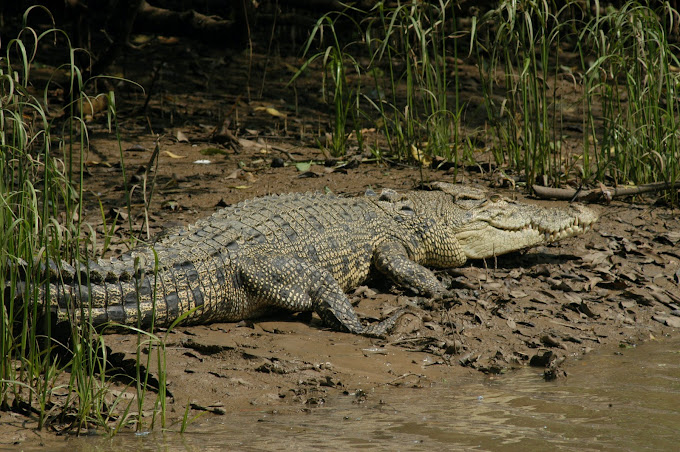
Bhitarkanika National Park is a 145 km² large national park in northeast Kendrapara district in Odisha in eastern India. It was designated on 16 September 1998 and obtained the status of a Ramsar site on 19 August 2002. The area is also been designated as second Ramsar site of the State after the Chilika Lake.




Shri Baldev Jew Temple
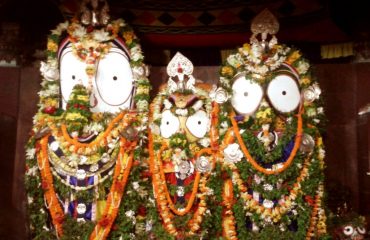
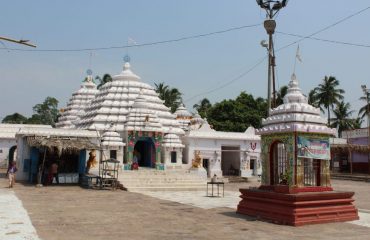
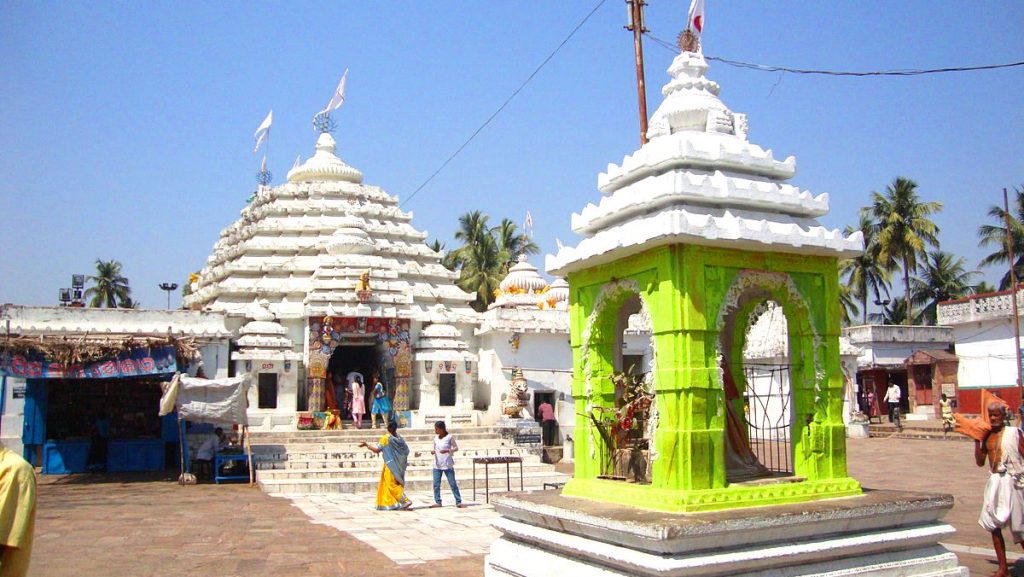
Shri Baldev Jew temple situated in Ichhapur, 5kms from Kendrapara Town. Here one can see the beautiful temple with other small temples in its side exhibiting the architectural marvel of the ancient Odisha. Lord Baladev is the main deity worshipped in the temple along with his brother and sister. An idol representing Tulasi as Goddess in a seated position is also present after the sacred seven steps. The deities wear different costumes and are decorated in different ways during various important festivals. The chariot on which the three deities mount during the Car Festival is known as “Brahma Taladhwaja Rath”. This is said to be the biggest chariot in the world.
This was Built within 1700 by King of Kujanga and chhederabaranga Gopinath Narendra and Jagannath Mahapatra.The Manika Debi and Jagannath Temple was built by first mahanta Ramanuja Das .The total area of this temple is arround 3 acers.Height of the main temple is 75 ft ,middle temple is of 40 ft,height of Jagamohana is 65 ft and of BataMandir is 70 ft .Within the temple complex there is a Beautiful 45 ft height Sri Mahalaxmi Temple .The Flag on the main temple is knoen as “Brahma Chirala”or “Brahma Bana”,where as the flag at the top of the 5 ft high Nilachakra is known as”Brahma Nilachakra”.This place also known as Tulasi khetra,Gupta khetra,Gupta Brundabana,Sri Baladeba khetra and Manibigraha khetra .
The Rituals and worship of the deities is different from other temples. This is a complete Baishnaba Khetra, Sri baladev Jew param Baishnab without any Tantrik Rituals. Sri Baladev Jew is not made of wood,HE himself”MANIBIGHRAHA”. So no Nabakalebara rituals held here.
The main festival of temple is Rathajatra held as Srigundicha and Bahudajatra .The main Naibedya of Sri Baladev Jew is “RASABALI” which is very famous.



Hukitola
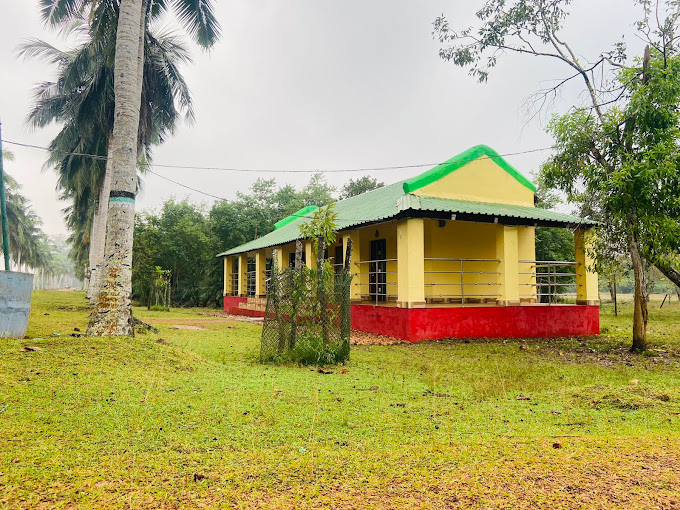
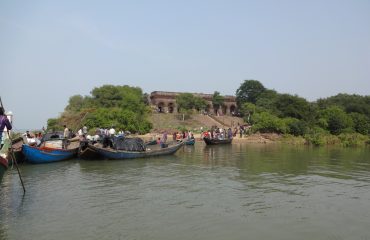
Hukitola is situated on Jambu island in the Bay of Bengal of Mahakalapara Block in Kendrapara District. The building having plinth area more than 7000 sq ft , on the island was constructed by the Britishers in 1866/67 during the ” Naanka” drought . This was used to store rice imported from Burma and other places through sea route. It bears testimony to advancement made in construction technology in the 19th century. The monument , a majestic building with under ground rainwater harvesting system is symbol of the state’s glorious past in maritime.
The place attracts students , scholars and history lovers throughout the year for its scenic location and historical significance. the port and the palace started loosing its importance in 1924 when the Britishers established a port at false point.
The uniqueness of the palace, however , lies in its roof slope in design . It helps rain water to flow down to four big water pots. The collected water was used for drinking purposes by the merchants throughout the year.
INTACH under ICZM programme renovated Hukitola for eco-tourism.
Batighar
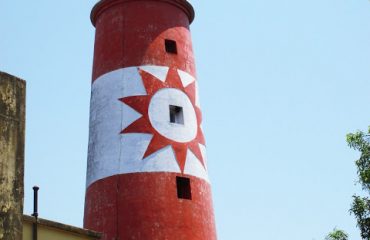
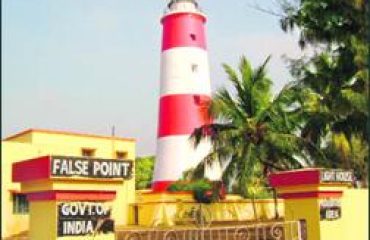
This is the first lighthouse installed in eastern coast of India. It is around 45 KM from District HQ. It is situated in a village named Batighar, on the other bank of river Kharinasi. It is surrounded with pleasant natural beauty. Once upon a time, this was known as Kaudia Dwip and used as hunting ground of Kujanga Kings. Construction of this lighthouse was started on 6th December, 1836 and it was lighted on 16th October 1837. The stones used were transported from Barabati Fort, Cuttack. The height is 125 feet, foundation wall is 15 feet thick. The diameter at land level is 10 feet. To reach the top, 138 steps made of cement concrete and a 16-step ladder are there. The speciality of this lighthouse is that it is operational from the date of its lighting and presently it is managed by Calcutta Light House.
On 16th October 1837 first light came out from this light house.This Light house was built by Mr H.Wright .This light house is 60 feet above sea level built on sand heap.This is a six storied building having space to take rest on each floor having a big window .There are 16 Bullet proof glasses attached at the top floor.Year 1857 is in scripted on that glass which is remain as it is.Within the circular room there is a wheel of 3 feet radius having an electric bulb at the center.This bulb is of 440 v 230 w,this light can be seen from 60 km in the sea.This Light House is opened for Tourist from 7.00 am to 10.am and 4 pm to evening
Gahirmatha
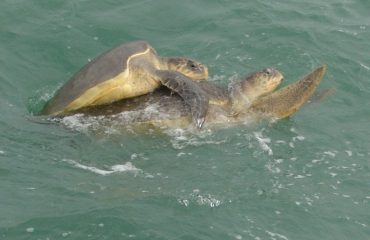
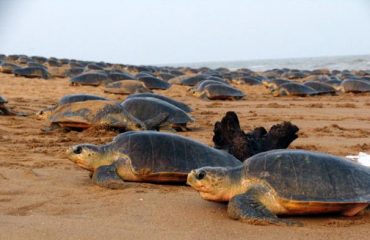
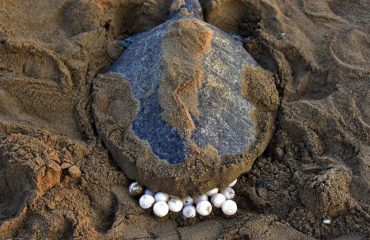
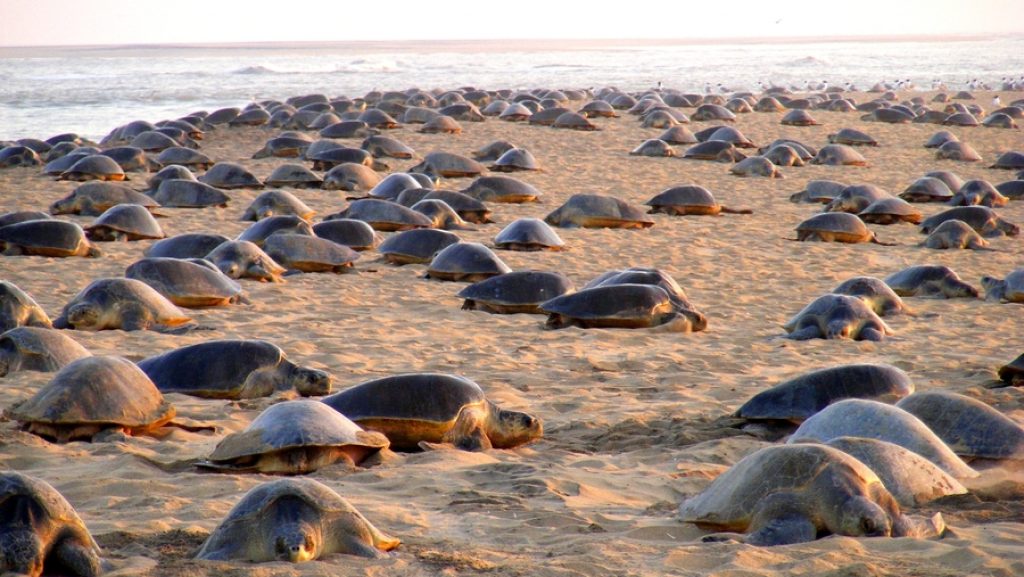
Located within the close vicinity of the Bhitarkanika National Park is Odisha’s only Turtle Sanctuary. A part of the Gahirmatha Beach, the Turtle Sanctuary is the place where one can spot Olive Ridley Turtles. Taking a boat ride across the river and gradually venturing into the wide sea is an experience ridden with sheer thrill and excitement. These turtles travel all the way from South Pacific Ocean to breed on the coast of Gahirmatha. About half a million of these species visit the beach every year for mating.
It extendes from Dhamara river mouth in the north to Brahmani rever moth in the south. it is very famous for its nesting beach for Olive Ridley Turtles.It is the one of worlds most important nesting beach for turtles.
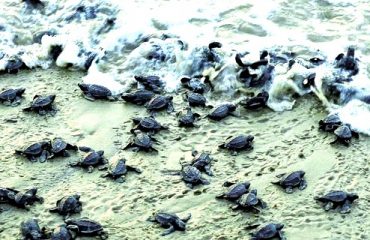
The Gahirmatha Marine Wildlife Sanctuary is the only marine sanctuary of Orissa. In 1997 the Government of Orissa declared the area as Gahirmatha Marine Sanctuary considering its ecological significance and diverse floral and faunal resources. The Gahirmatha beach has been a cradle to adult sea turtles and their babies since time immemorial.These turtles are known for the epic journeys that they undertake annually to breed and recuperate. It has been observed that Olive Ridley Sea Turtles migrate from pacific ocen through the coastal water of Sri Lanka in the Indian Ocen to the coastal water of Gahirmatha in the north. They usually mate between November and January and the breeding period is of eight months from October to May.
It is a fascinating experience to watch these creatures crawling out of the deep sea, labouring, selecting a site, digging holes, laying almost 200 eggs, covering the area and crawling back to the sea.